




GR-1025-6708, Remington New Model Army. Id’d to Utah Territorial Militia for the Utah Black Hawk Wars. BUY NOW
Original price was: $2,200.00.$1,700.00Current price is: $1,700.00.
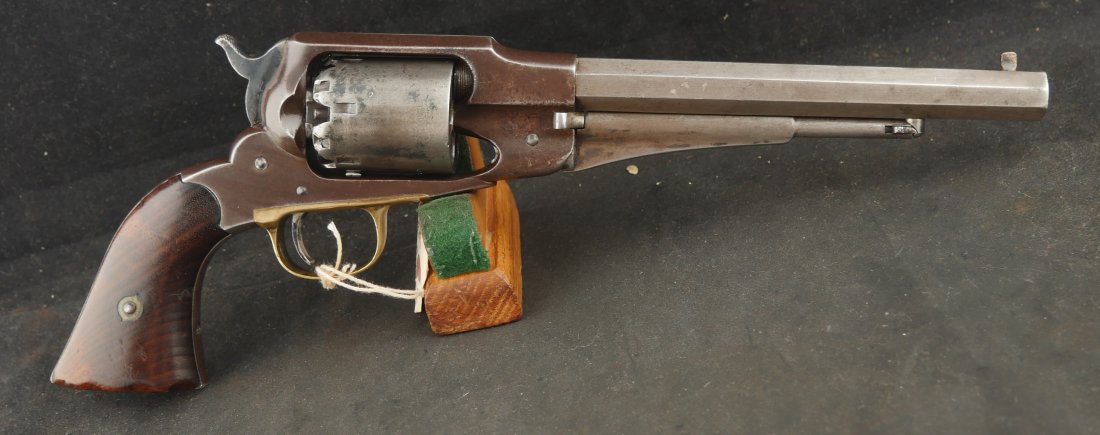
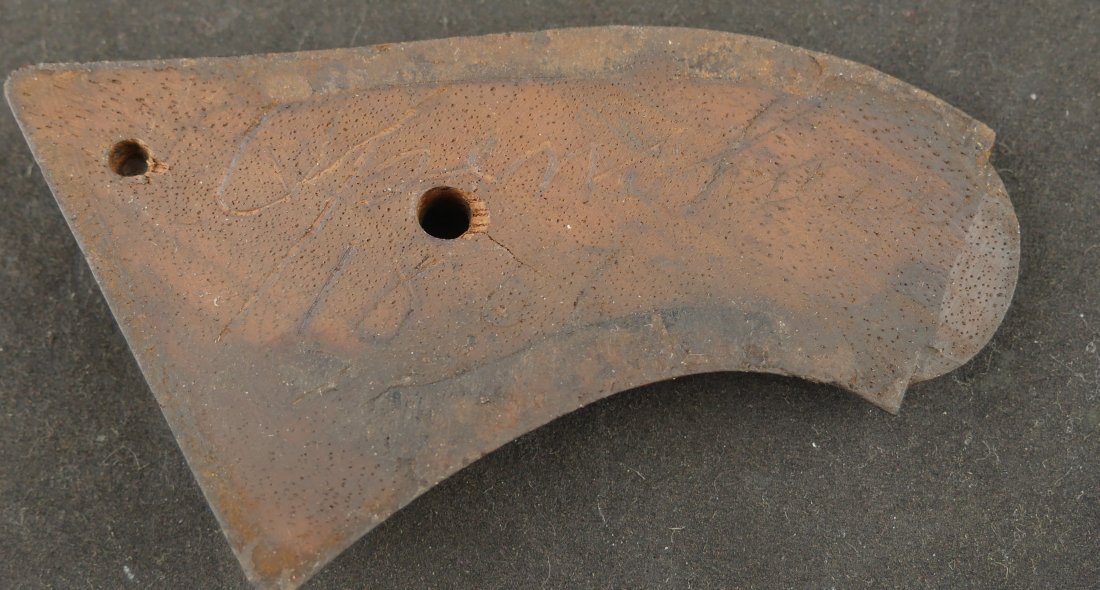
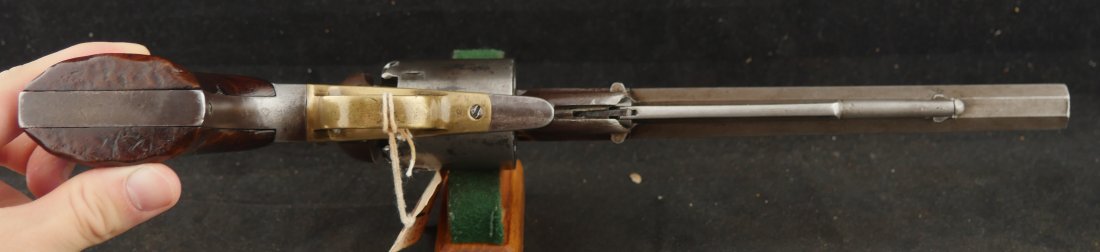
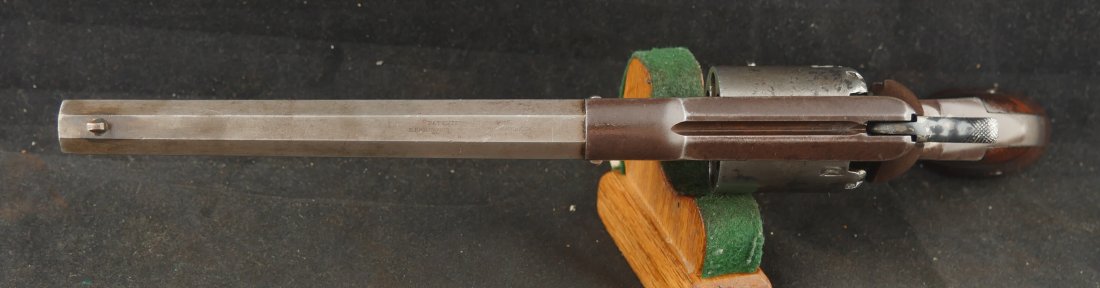
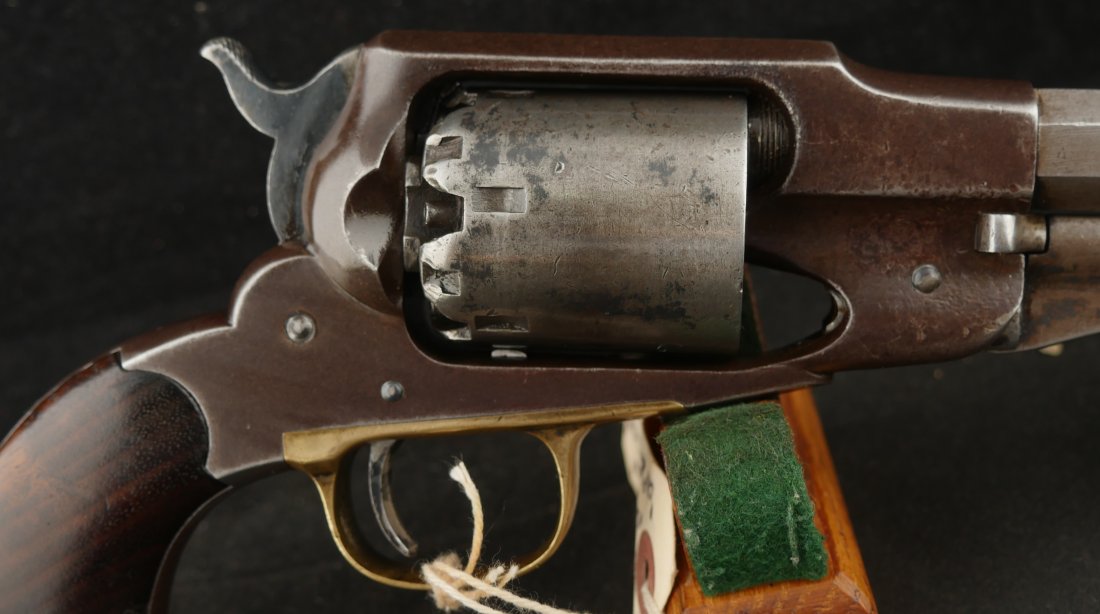
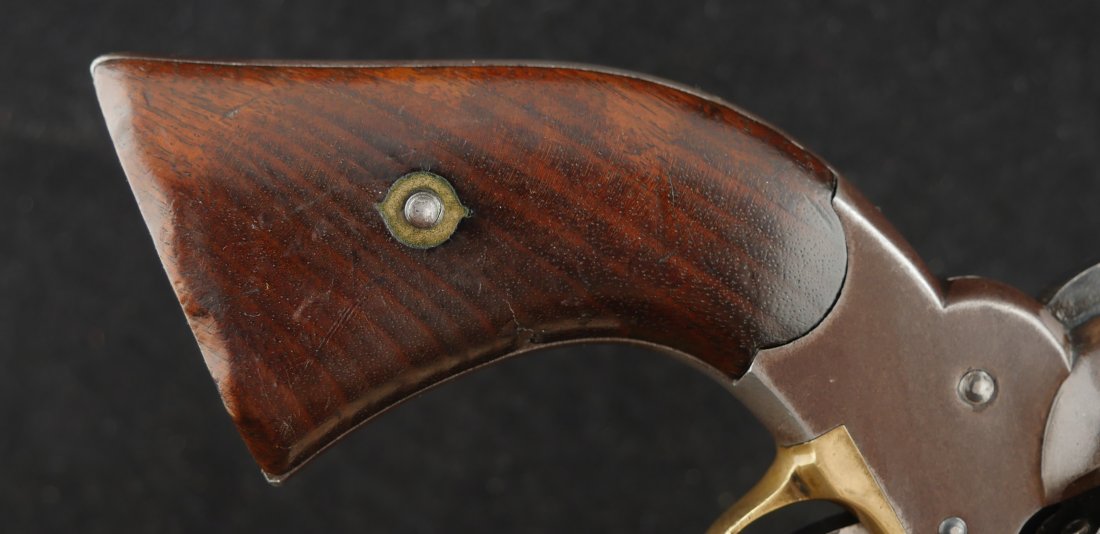
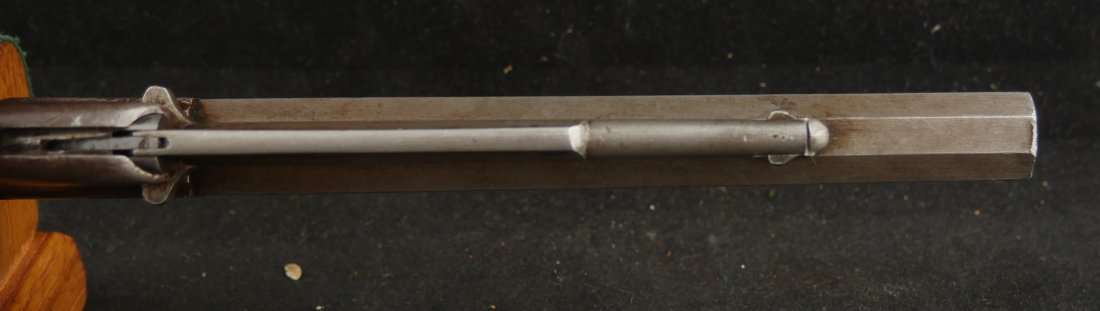
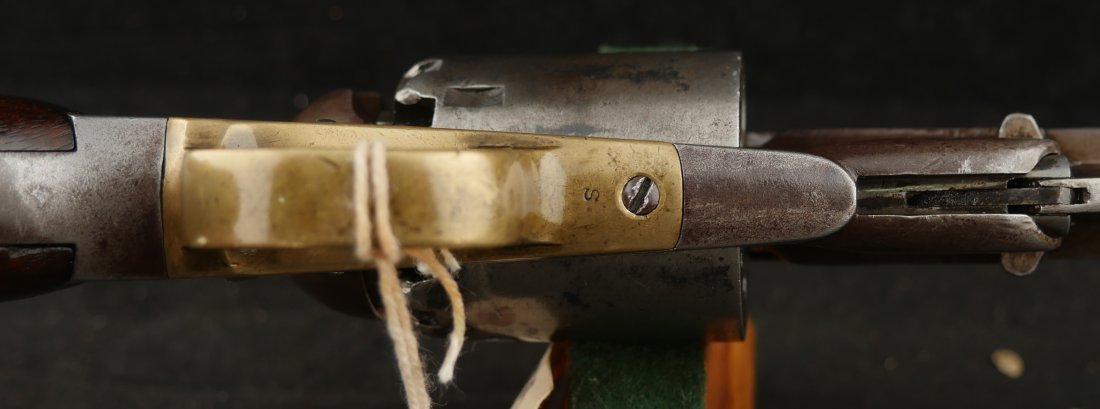
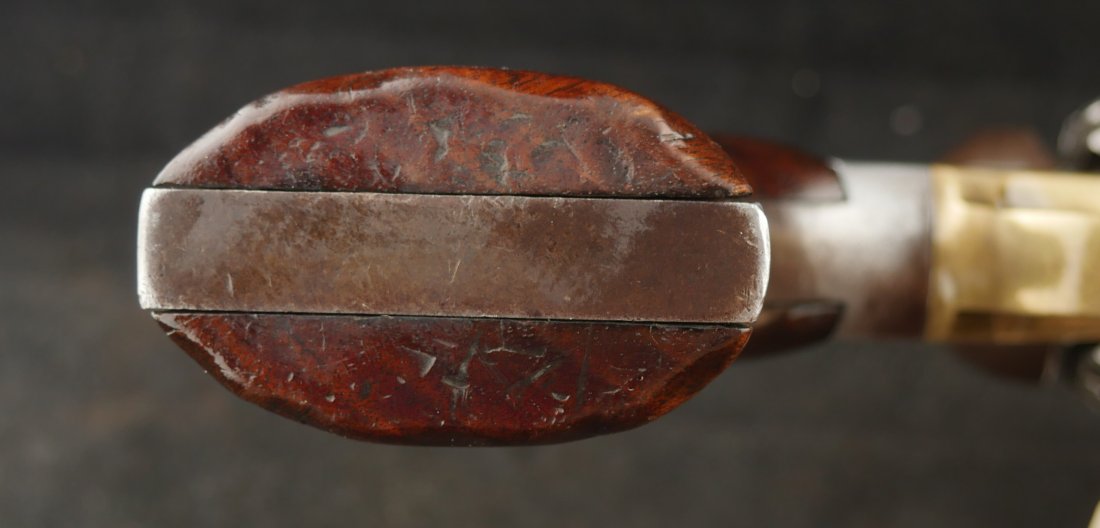
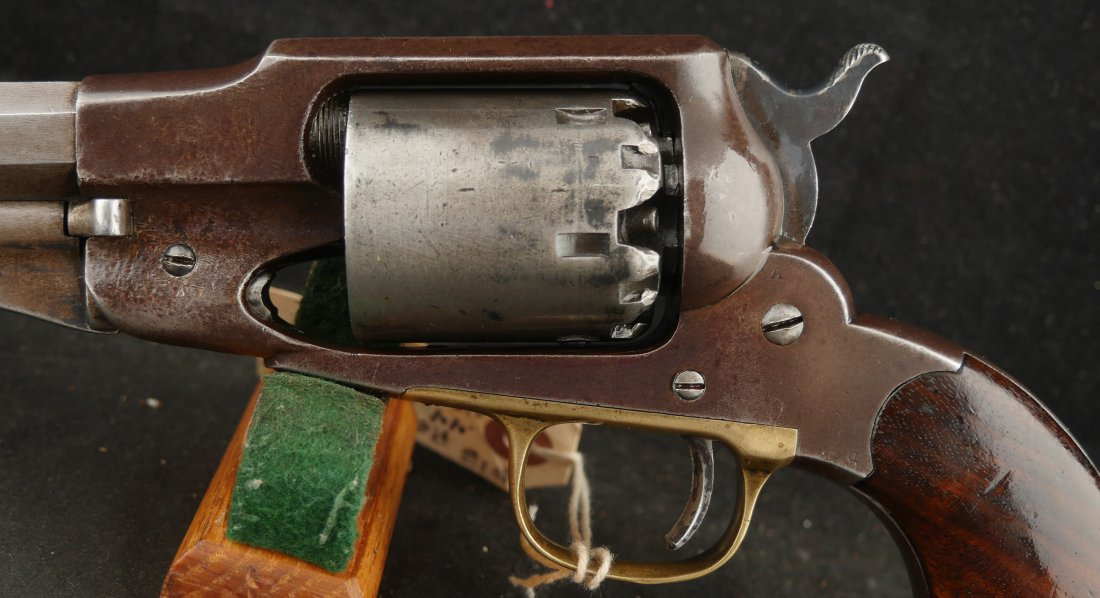
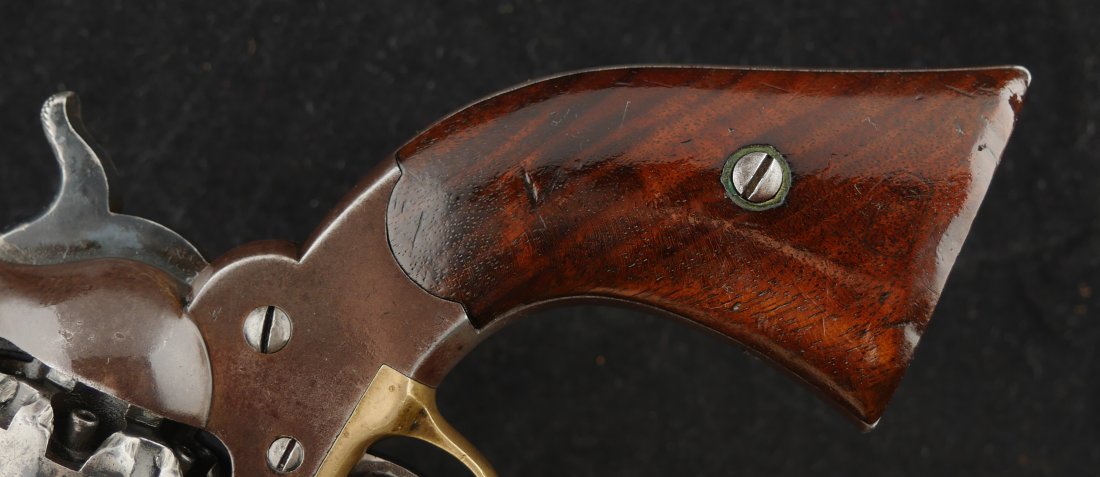
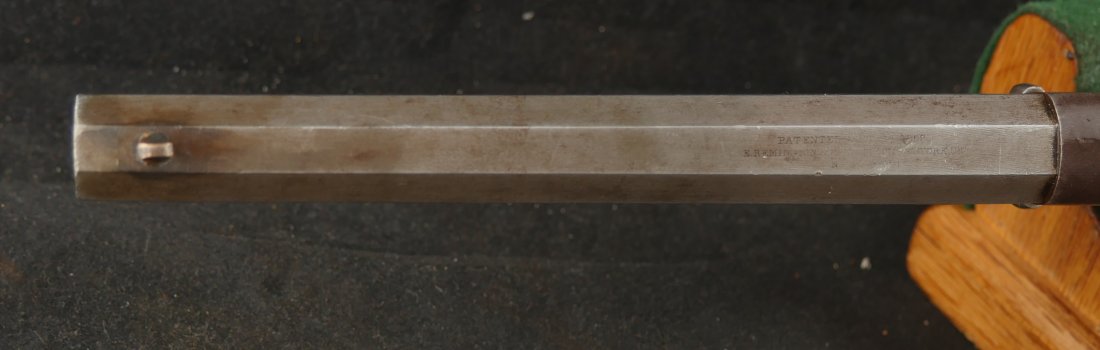
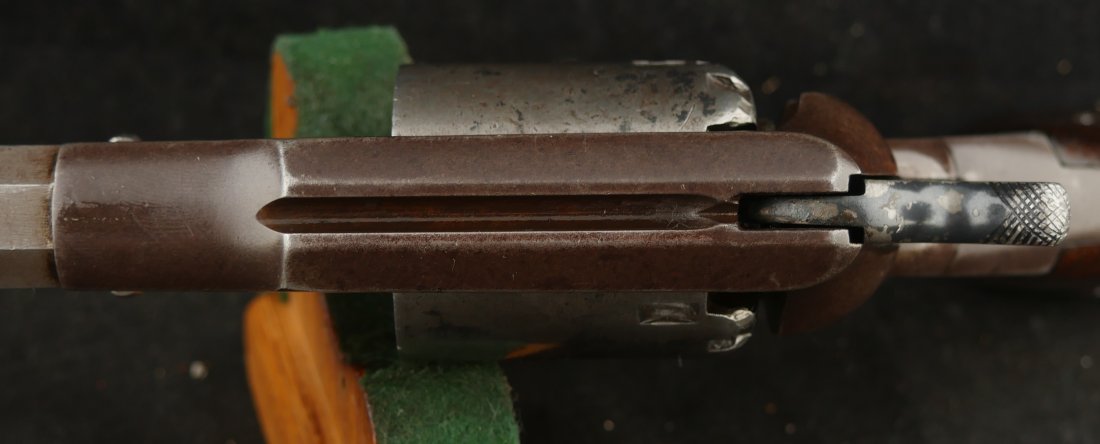
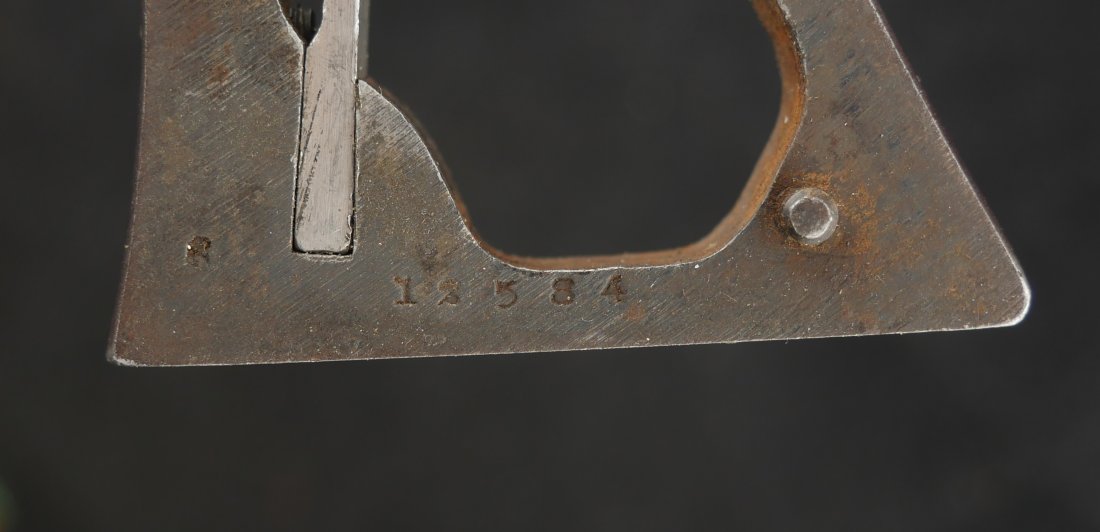
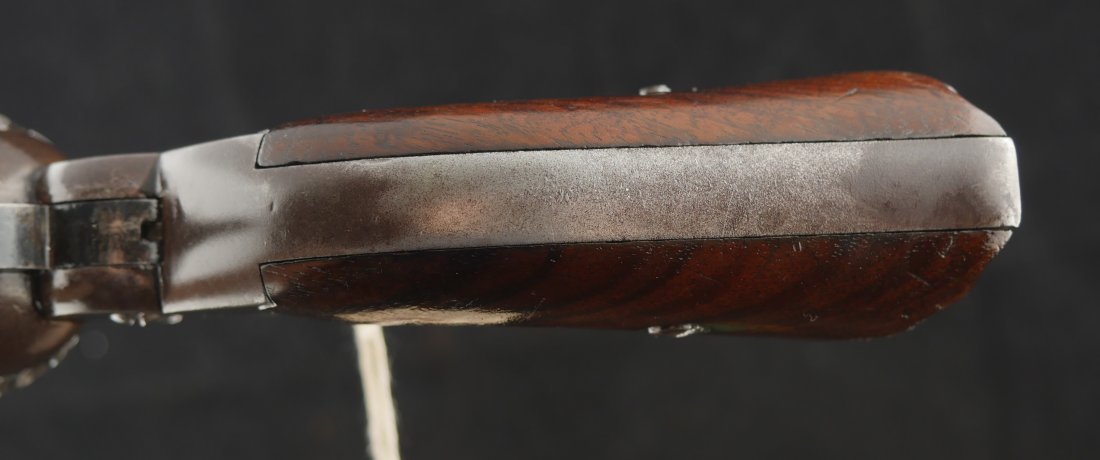
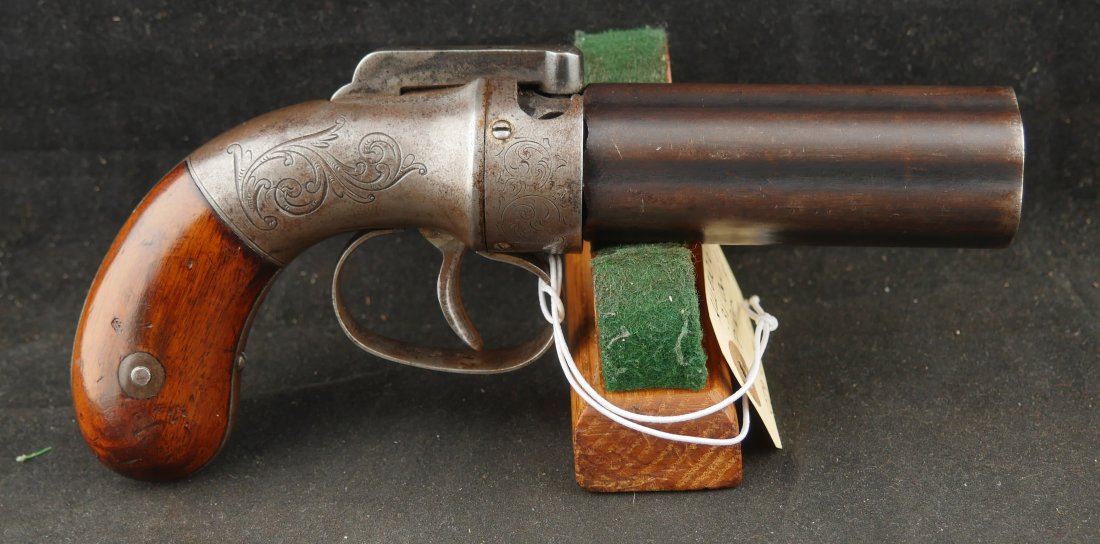
GR-1025-6708, Remington New Model Army. Id’d to Utah Territorial Militia for the Utah Black Hawk Wars. 6 shot, .44 percussion revolver. The gun is brown mixing to gray patina. The barrel address is clear. The mechanics are crisp and tight with functional half cock and full cock positions. The cylinder locks up really tight in the full cock position. The bore is bright, shiny, and crisply rifled. Fine + Bore. the left grip has a visible cartouche and there is moderate edge wear to the bottom of the grips. Moderate overall bumps, dings and use marks to the metal surfaces. Serial number 12,xxx. Inside the left grip there is an old carved “Openshaw 1867”.
A full detail of the research is below.
Est. Retail Value: $2500
In stock
Only logged in customers who have purchased this product may leave a review.
Shipping Policy
PLEASE READ
We accept Check, Money Order, Credit Card, Wire, etc.
If you send a Cashier’s Check or Money order, items will get shipped immediately. If you send a personal check, we will wait for the check to clear before shipping. Please send an invoice with payment, it makes it easier to keep track of payments that way. Also, please be sure your shipping address is correct.
CREDIT CARD FEES: Domestic: 3.5%. International: 6.0%
WIRES: If sending a wire add $30
INSURANCE: We will only insure through the mail carrier when specifically asked to.
Shipping does not include insurance through courier. We carry our own insurance but there is a $1000 deductible. If you would like your box insured through the shipping company, the cost is $10 and you add an additional $1 for every hundred dollars’ worth of insurance that you want. $1000 insured value = $20. We do our best to package items as secure as we can, in the previous 6 years we have had 3 guns broken (all 3 were muskets) and we have shipped thousands of guns. USPS is difficult to get money out of even if you do insure through the USPS.
Cost: US $1 per $100 in value, plus $10. Ex. $1500 Insurance = $15 + $10 = $25
SHIPPING:
If you have purchased more than 1 item and want combined shipping. Please contact us.
If we are shipping internationally, we will need to give you a shipping cost.
Contact us if you have any questions in regards to shipping.
Send Invoice or Order Form with Payment.
Send the attached invoice or fill out an order form to send with payment. Order Form: Download the form here
Make payment out to Rob Robles and ship to, PO Box 1218, Salem, Utah, 84653, USA.
YOU MUST USE INVENTORY NUMBER IN ALL REFERENCES TO ITEM, (EX: 079-7654, Colt M-1860 Army…)
Be sure your shipping address is correct.
Cancellation / Return / Exchange Policy
RETURN POLICY
Money back, less cost to ship, if not satisfied. All sales are allowed a 3-5 business day inspection. Please contact us to make arrangements before shipping any item back for refund. No refund is due until I have received the item and it has been inspected.
You are responsible to send a copy of the invoice or Order Form with a return. This is your receipt, you must send it with the item being returned. Once the item being returned has been received, and inspected, and found not to be altered, your refund will be processed.
Please let us know if you have any questions or if there is anything we can do for you.
Thank you for your business.
Rob and Griff
Reviews
There are no reviews yet.